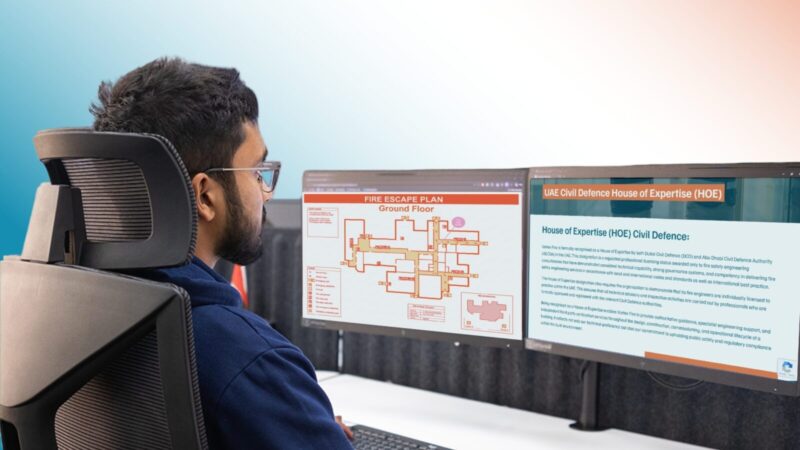
Hiring a fire engineering consultant is an important decision for any construction, renovation, or compliance project. Fire safety affects building design, occupant protection, legal approval, and long term risk management. A good consultant can help ensure that your project meets required standards while also supporting practical and efficient design decisions.
Before choosing a consultant, it is important to understand what they do, what experience they should have, and how they can support your specific project. Taking time to assess the right factors early can help prevent delays, compliance issues, and costly design changes later.
Understand The Consultant’s Role And Project Fit
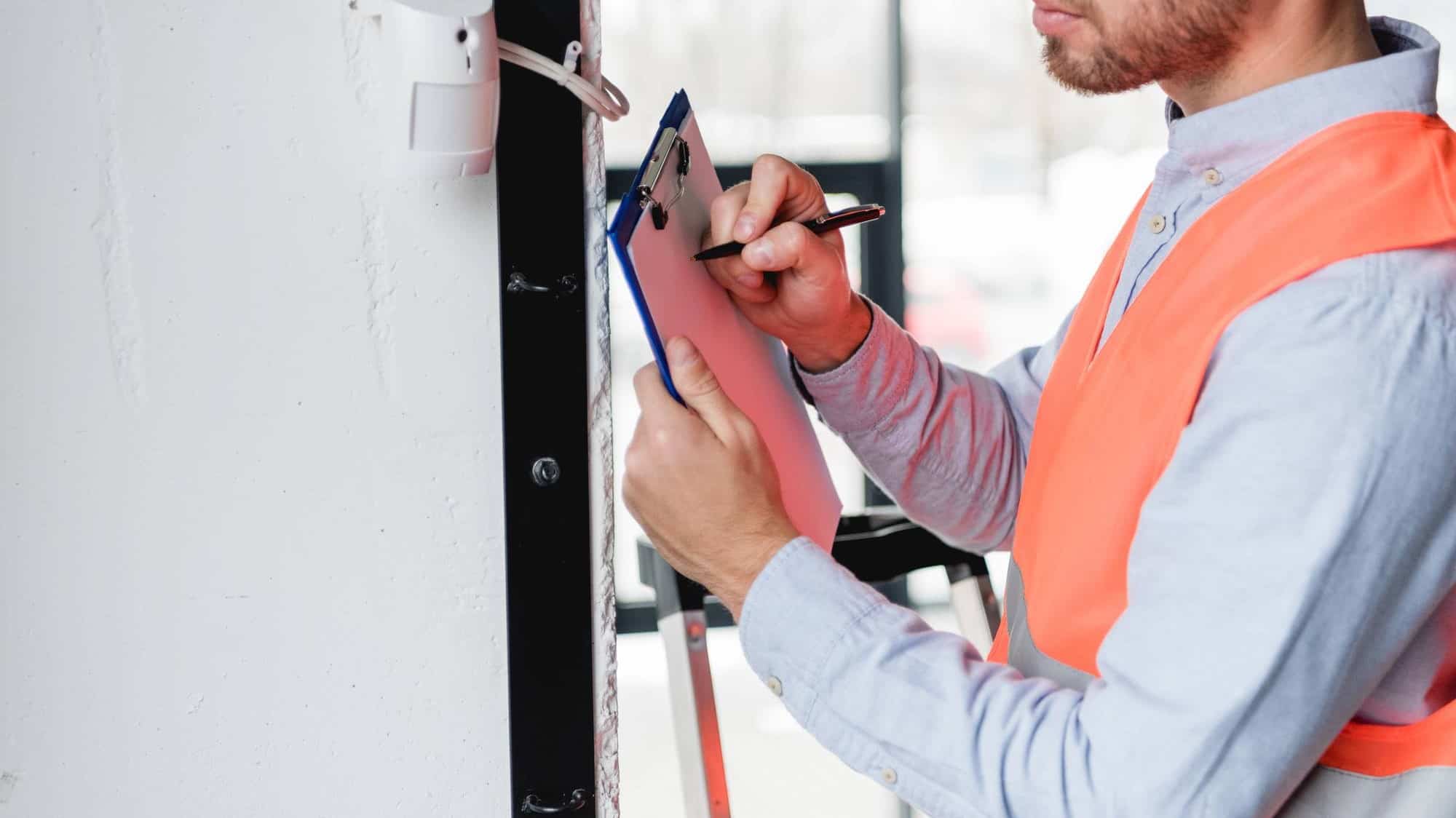
A fire engineering consultant provides specialist advice on fire safety strategy, building compliance, evacuation planning, smoke control, fire resistance, and risk assessment. Their role is not limited to checking boxes. They help create a fire safety approach that works with the design and use of the building.
Before making a decision, it is useful to discover which fire engineer to engage based on the type, scale, and complexity of your project. A small commercial fitout may require different expertise from a high rise building, industrial facility, healthcare site, or mixed use development.
The right consultant should understand your project goals and be able to explain how fire safety requirements apply in practical terms. They should also communicate clearly with architects, builders, certifiers, and other professionals involved in the project.
Check Qualifications, Experience, And Communication

Experience is one of the most important factors when hiring a fire engineering consultant. Look for someone who has worked on similar projects and understands the relevant building codes, approval pathways, and performance based design options. Strong technical knowledge is essential, but practical experience is equally valuable.
Ask about previous projects, reporting methods, and how they approach problem solving. A good consultant should be able to identify risks early and suggest realistic solutions that do not create unnecessary complications.
Communication style also matters. Fire engineering can involve technical details, so the consultant should be able to explain recommendations in a way that project stakeholders can understand. Clear communication helps reduce confusion, supports faster decisions, and keeps the project moving.
Consider Timing, Cost, And Long Term Value
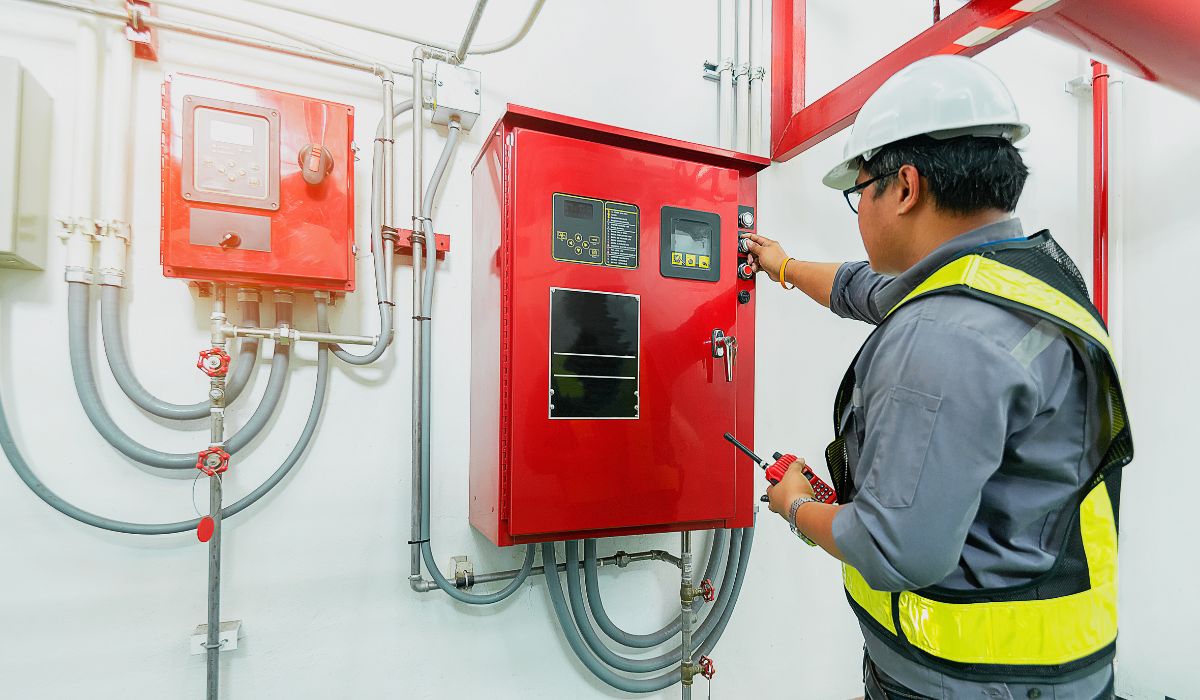
Fire engineering advice is most effective when brought into the project early. Waiting until later stages can lead to redesigns, approval delays, or unexpected costs. Involving a consultant during planning or design allows fire safety requirements to be integrated from the beginning.
Cost is another factor, but it should not be the only deciding point. A cheaper consultant may not provide the depth of advice needed for a complex project. Instead, consider the overall value they bring, including risk reduction, smoother approvals, and better coordination with the design team.
You should also confirm what is included in the service. Reports, meetings, design reviews, authority liaison, and follow-up support may vary between consultants. Understanding the scope upfront helps avoid misunderstandings and ensures you receive the support your project needs.
Conclusion
Hiring a fire engineering consultant requires careful consideration of expertise, project fit, communication, timing, and value. The right consultant can help you manage compliance, reduce risk, and create a safer building outcome. By choosing someone with relevant experience and a clear understanding of your project, you can support smoother approvals and better long-term fire safety performance.