Tilt tray transport plays a critical role in moving vehicles, machinery, and heavy equipment safely and efficiently. Whether you are managing a construction project, handling a vehicle recovery, or relocating industrial assets, understanding what fits on a tilt tray, weight limits, and common use cases helps you make informed decisions. This guide explains the essentials so you know what to expect before booking a service.
Understanding Tilt Tray Transport

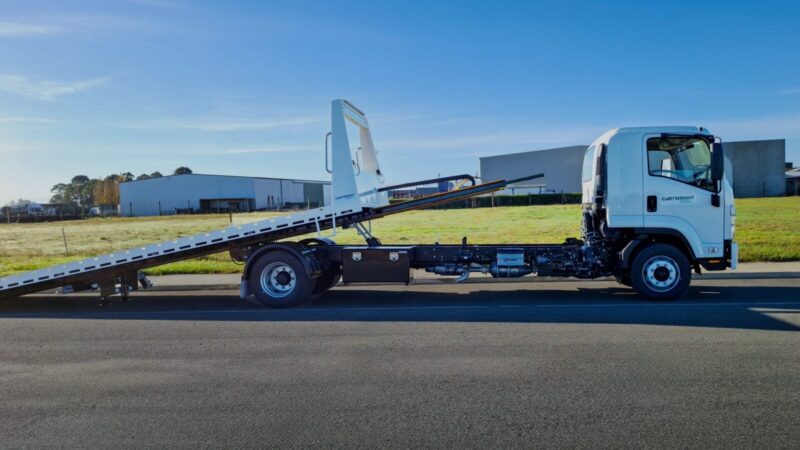
When planning heavy equipment or vehicle relocation, many businesses rely on professional providers because Transport and Hire Solutions can help ensure safe loading, compliance, and efficient delivery. Tilt tray transport refers to a truck equipped with a hydraulic flatbed that tilts and slides back to ground level, allowing vehicles or machinery to be driven or winched directly onto the tray.
This system eliminates the need for separate ramps or cranes in many situations. The tray lowers to create a gentle incline, reducing the risk of damage during loading. Once the cargo is positioned, the tray smoothly returns to its horizontal position and is securely locked for transport.
Tilt tray trucks are commonly used across industries due to their versatility. From broken down passenger vehicles to compact construction equipment, the design supports a wide range of transport needs. The controlled loading angle also enhances safety for operators and minimizes manual handling.
In addition to convenience, most tilt tray vehicles include securing systems such as heavy duty straps, chains, and winches. These features stabilize the load and prevent shifting during transit, which is especially important when transporting valuable or heavy assets over long distances.
What Fits On A Tilt Tray And Weight Limits

Tilt trays are designed to carry various types of cargo, but capacity depends on the truck’s specifications. Common items that fit include passenger cars, SUVs, small trucks, forklifts, scissor lifts, and compact excavators. Some larger tilt tray models can also transport shipping containers or heavier industrial machinery.
Weight capacity typically ranges from 3,000 kg to 8,000 kg for standard units, while heavy duty configurations can handle significantly more. It is essential to confirm both the total weight and the dimensions of the item being transported. Length, width, and height must align with the tray’s limits to ensure safe and legal movement.
Another critical factor is weight distribution. Uneven loading can affect vehicle stability and braking performance. Professional operators calculate positioning carefully to maintain balance and comply with road regulations.
If transporting oversized or unusually shaped equipment, permits may be required depending on local laws. Advance communication with the transport provider helps prevent delays and ensures all compliance requirements are met before departure.
Typical Use Cases For Tilt Tray Services
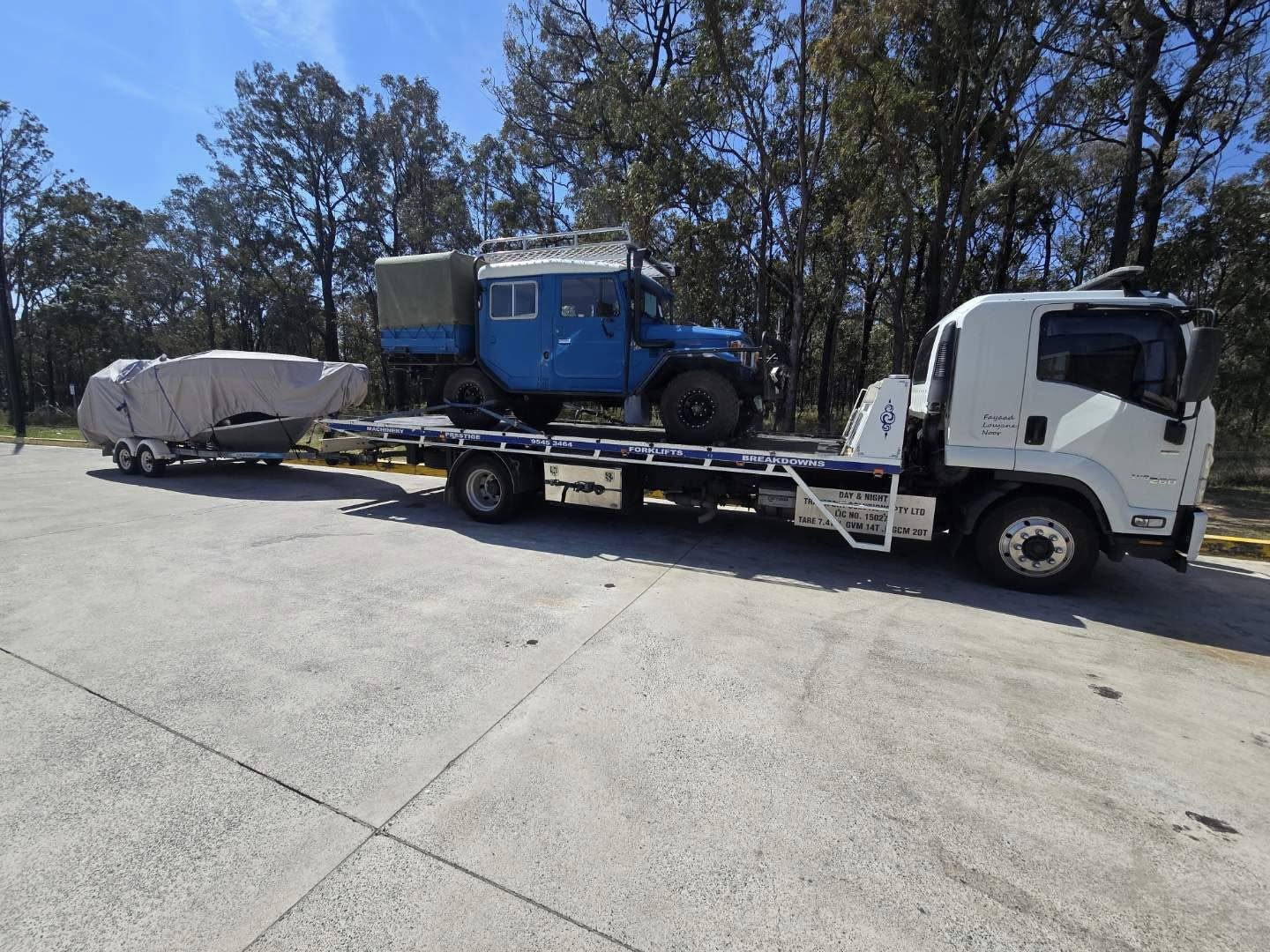
One of the most common uses of tilt tray transport is vehicle recovery. After accidents or mechanical failures, tilt trays provide a secure method for removing vehicles from roads without causing further damage.
Construction companies frequently use tilt trays to relocate machinery between job sites. Equipment such as mini loaders, generators, and site materials can be loaded quickly, saving both time and labor costs.
Industrial and commercial relocations are another major application. Factories and warehouses often need to move heavy equipment safely between facilities. Tilt trays offer a practical alternative to more complex lifting systems in many scenarios.
Agricultural businesses also benefit from tilt tray services when transporting tractors, trailers, or other farm machinery that cannot be driven long distances on public roads.
Conclusion
Tilt tray transport offers a reliable and adaptable solution for moving vehicles and heavy equipment across various industries. By understanding what fits, respecting weight limits, and recognizing common use cases, you can plan more effectively and avoid costly complications. Choosing a professional service ensures safe handling, regulatory compliance, and efficient delivery every time.