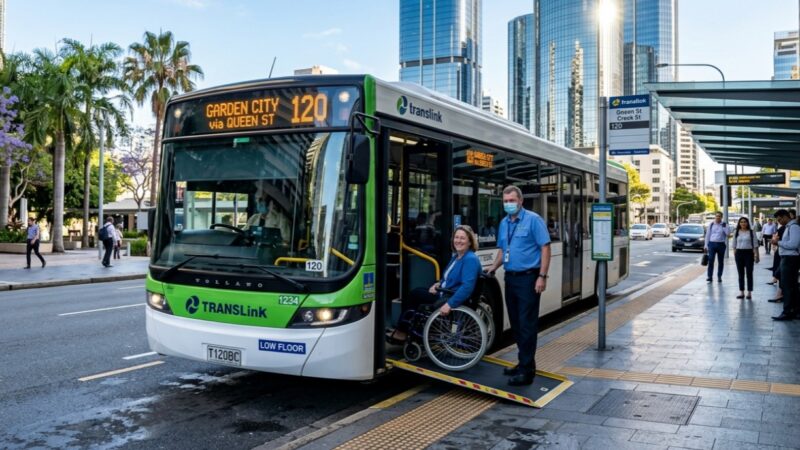
Accessible transport should make travel easier, not more stressful. In a busy city like Brisbane, choosing the right ride matters for people who use wheelchairs, mobility aids, walkers, or simply need extra space and support during the journey. Before booking, it is worth checking more than just the price. Vehicle access, driver experience, safety features, timing, and comfort all affect whether the ride will be smooth from pickup to drop-off.
Check Vehicle Accessibility Before You Confirm
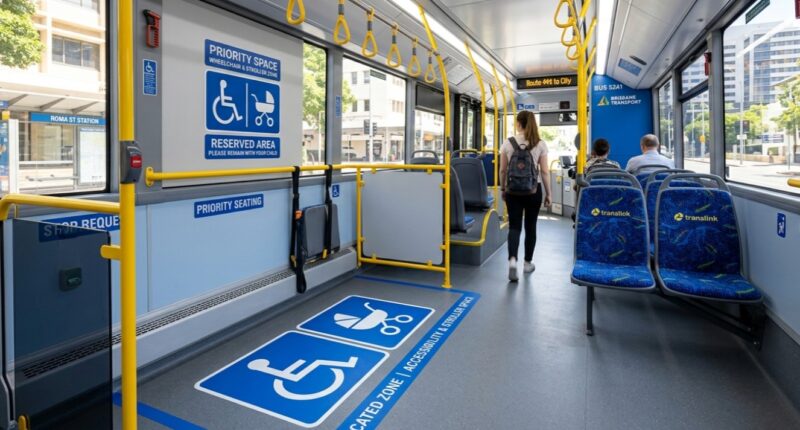
The first thing to check is whether the vehicle is truly suitable for the passenger’s mobility needs. Some vehicles are described as spacious, but that does not automatically mean they are wheelchair accessible. A suitable accessible ride should have the right entry system, secure space, and enough room for the passenger, their mobility aid, and any companion travelling with them.
If you are comparing vehicle options, it can help to see insights for a maxi cab across most states in Australia, especially when you want to understand how larger vehicles are commonly used for group travel, airport transfers, and mobility-friendly transport. In Brisbane, maxi cabs and accessible taxis are often preferred because they can provide more space than standard cars.
Before booking, ask whether the vehicle has a ramp or lift, wheelchair restraints, seatbelts designed for accessible use, and enough headroom. If the passenger can transfer from a wheelchair to a seat, explain that clearly. If they must remain in the wheelchair during the ride, confirm that the vehicle is approved and equipped for that specific need.
Ask About Driver Experience And Passenger Support
A suitable vehicle is only part of the service. The driver’s experience is just as important. Accessible transport often requires patience, clear communication, and practical understanding of how to help passengers safely. A good driver should know how to position the vehicle, operate the ramp or lift, secure mobility equipment, and allow enough time without rushing the passenger.
When booking, ask whether the driver has experience with accessible transport. This is especially important for medical appointments, airport transfers, aged care visits, disability support travel, or regular work commutes. The journey may involve more than simply opening a door. Some passengers may need assistance entering the vehicle, storing mobility aids, or coordinating with carers and support workers.
Clear communication before pickup also prevents confusion. Provide details such as the exact entrance, whether there are stairs, whether the passenger uses a wheelchair or walker, and whether extra luggage or medical equipment will be included. The more accurate the booking information is, the easier it is for the provider to send the right vehicle and driver.
Review Timing, Safety, And Comfort Details
Accessible transport should be booked with realistic timing. Passengers who need mobility support may require extra minutes for boarding and exiting. If the trip is connected to an appointment, flight, event, or shift start time, allow a buffer rather than booking at the last possible moment. Delays can be stressful when the passenger depends on assistance at both ends of the journey.
Safety should also be checked before the ride begins. The wheelchair or mobility aid should be properly secured, pathways inside the vehicle should be clear, and the passenger should feel stable before the vehicle moves. Drivers should not rush this process. A few extra minutes of careful setup can prevent discomfort, anxiety, or injury during the ride.
Comfort matters too. Air conditioning, clean interiors, enough legroom, and smooth communication can make the journey much easier. For longer trips, it is useful to ask about space for companions, bags, folded mobility aids, or support equipment. A reliable accessible transport provider should be able to answer these questions clearly before you book.
Conclusion
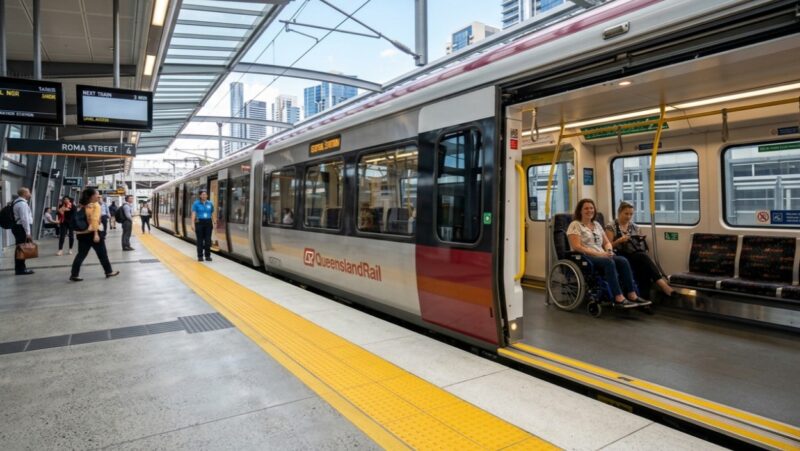
Booking accessible transport in Brisbane is easier when you know what to check in advance. The right ride should provide suitable vehicle access, trained driver support, safe equipment handling, and enough time for a calm journey. Price is important, but it should not be the only factor. By confirming accessibility features, explaining the passenger’s needs, checking driver experience, and planning the timing carefully, you can choose transport that feels safe, respectful, and dependable from start to finish.