Industrial facilities face unique cleaning challenges due to heavy equipment, high traffic areas, production processes, and strict safety requirements. Maintaining proper hygiene in these environments is essential not only for appearance but also for operational efficiency, employee safety, and regulatory compliance. Without a structured cleaning strategy, dirt, dust, debris, and contaminants can create risks that affect both productivity and workplace health.
Effective industrial cleaning programs help businesses maintain safer worksites while protecting equipment, reducing downtime, and supporting long-term operational performance.
Why Industrial Cleaning Is Essential
Companies looking to find more about industrial cleaning should understand that industrial environments require specialised cleaning approaches that go beyond standard commercial maintenance.
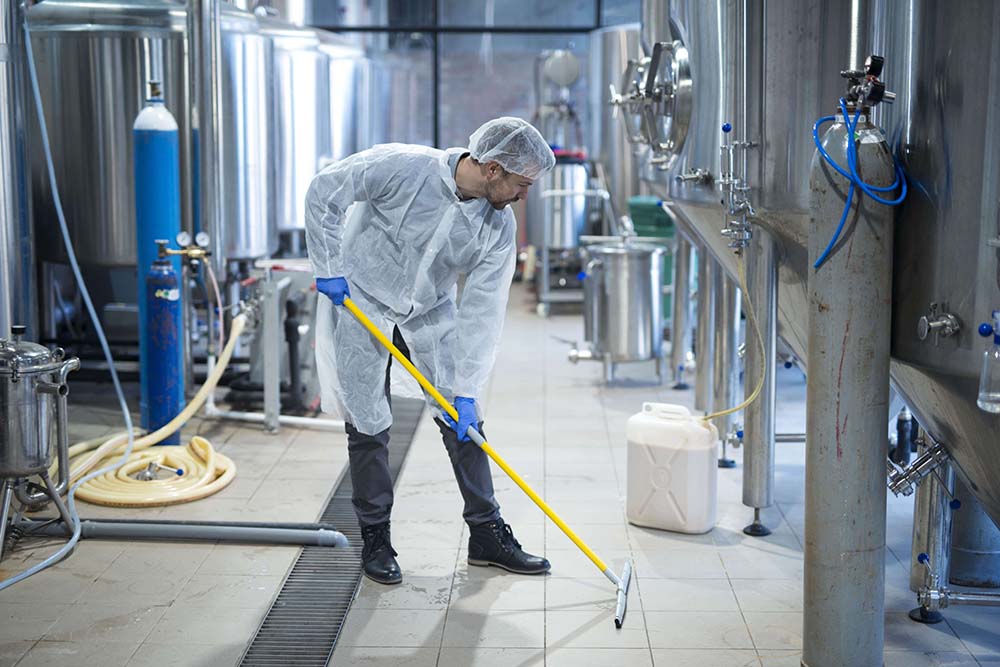
Manufacturing plants, warehouses, distribution centres, processing facilities, and industrial workshops often generate dust, grease, waste materials, and other contaminants that can accumulate quickly. If left unmanaged, these conditions may increase safety hazards and affect equipment performance.
Regular cleaning helps maintain safer work environments while supporting compliance with industry regulations and workplace standards.
High Traffic Areas Need Consistent Attention
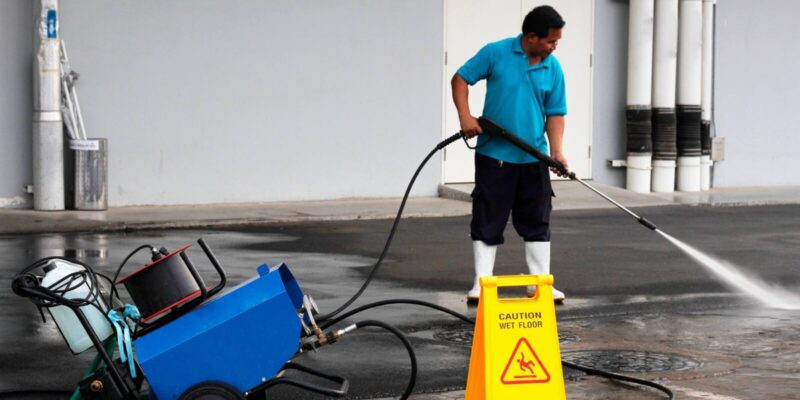
Industrial sites often contain areas that experience constant movement from employees, machinery, and vehicles. Loading docks, production floors, storage zones, and access routes can quickly become contaminated by dirt, debris, and spills.
Establishing routine cleaning schedules helps prevent the buildup of materials that could create slip hazards, obstruct operations, or contribute to equipment wear. Frequent inspections also allow businesses to identify potential problems before they escalate into larger safety concerns.
Well-maintained workspaces often contribute to better workflow efficiency and a more organised operating environment.
Specialised Cleaning Supports Equipment Performance
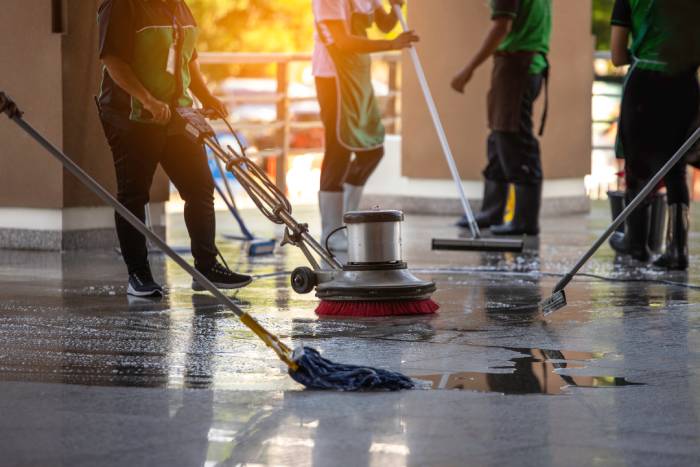
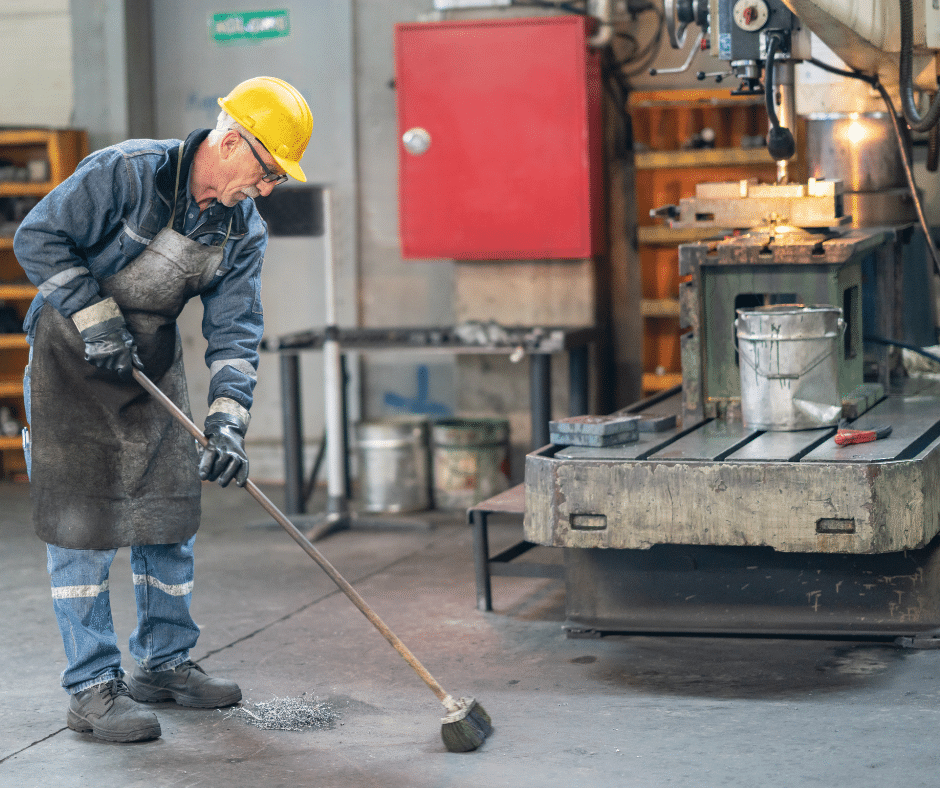
Industrial equipment often operates under demanding conditions and may require specialised cleaning procedures to maintain reliability. Dust accumulation, grease buildup, and production residue can affect machinery performance and increase maintenance requirements.
Professional industrial cleaning services may use specialised equipment and techniques designed to clean around sensitive machinery while minimising disruption to operations. Proper cleaning can help extend equipment lifespan and reduce the risk of unexpected breakdowns.
Combining regular cleaning with preventive maintenance programs often provides the best results for long-term operational efficiency.
Conclusion
Industrial cleaning plays a vital role in maintaining safe, efficient, and compliant worksites. By implementing structured cleaning schedules, focusing on high-use areas, and supporting equipment maintenance through specialised cleaning practices, businesses can reduce workplace risks and improve operational performance. A proactive approach to industrial hygiene helps create cleaner environments, protects valuable assets, and supports long-term business success.